Two-lane power figures and the electrical scope of a bowling project
SunEye’s published power references describe two-lane equipment configurations. They are useful inputs to a project discussion, but they are not a complete electrical design for every possible lane count or venue. Keep the equipment reference separate from the final load, circuits and connections confirmed for the actual installation.
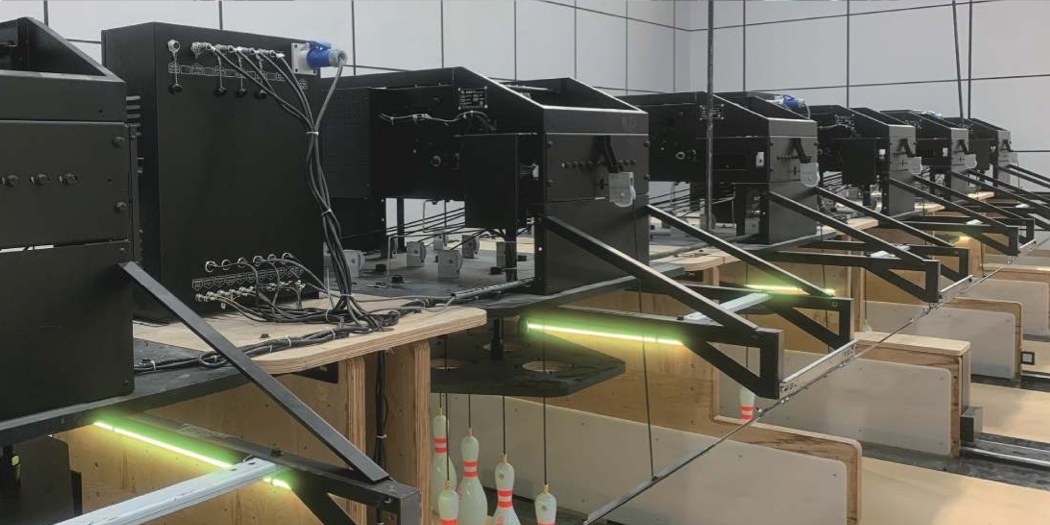
Electrical planning checklist
- Tenpin Bowling: 4,000 W per two lanes
- Mini Bowling and Duckpin Bowling: 3,000 W per two lanes
- Confirm single and odd-lane arrangements
- Keep venue-wide services separately coordinated
Keep the pair reference intact
The confirmed figures are 4,000 W for a two-lane tenpin bowling configuration and 3,000 W for a two-lane mini bowling or duckpin bowling configuration. Write the two-lane basis beside the value whenever it is copied into a brief or comparison table. A number without its configuration can easily be read as a single-lane value or as the total for the entire venue.
Do not derive odd-lane totals
Single-lane and odd-lane arrangements need their own confirmed project specification. Keep the pair figures as quoted. Dividing them by two or multiplying by the number of pairs cannot establish the load for a different configuration. Keep the requested lane count in the equipment brief and ask the supplier to identify the electrical requirements for that exact arrangement. This preserves the distinction between an initial planning reference and a confirmed installation requirement.
Identify the supply conditions
The standard supply reference is 220 V, and the electrical configuration can be adapted to destination grid requirements. Provide the destination and the known site supply information to the project team. Ask for the proposed configuration and connection requirements to be recorded with the equipment scope. A general statement about voltage does not answer every question about the circuits or installation arrangements at a particular property.
Separate equipment from surrounding venue loads
The venue may also contain interior lighting, other attractions and building services managed under different packages. Identify which party is responsible for coordinating those systems with the bowling equipment information. Keep the equipment schedule available to the responsible electrical team. This prevents a bowling reference figure from being treated as a complete schedule for all of the activities and services in the building.
Request the final electrical documents
Ask for the applicable load and connection information for the selected model, lane arrangement and options. Identify the document revision and the person responsible for reviewing the site provisions. Any unresolved requirement should remain visible in the readiness checklist. The electrical installation itself should be coordinated by the responsible qualified parties using the confirmed project information.
Carry confirmation into site readiness
Before installation, verify that the agreed provisions have been completed and that significant site changes have been reported. Keep the electrical documents with the final drawings and handover record. If the equipment scope later changes, review its effect on those documents rather than assuming the previous arrangement remains suitable. A clear record makes future service and upgrade discussions easier to organize.
Questions about equipment power
Can I calculate three-lane power from the two-lane number?
No. The total for a three-lane or other selected configuration must be confirmed in the project specification.
Does a 220 V reference define every electrical requirement?
No. Ask for the actual configuration’s load, circuits and connection information for the destination and site.